


Heart failure means that the heart is unable to pump blood around the body properly. It usually occurs because the heart has become too weak or stiff.
It’s also called “congestive” heart failure, although this name isn’t widely used nowadays.Heart failure doesn’t mean your heart has stopped working – it just needs some support to help it work better. It can occur at any age, but is most common in older people.

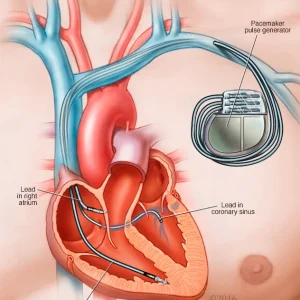
Pacemaker
A pacemaker is a small electrical device, fitted in the chest or abdomen. It’s used to treat some abnormal heart rhythms (arrhythmias) that can cause your heart to either beat too slowly or miss beats.
It sends an electrical impulse to make your heart beat.Electrical impulses are sent by the pacemaker to stimulate your heart to contract and produce a heartbeat. Some pacemakers send out impulses all of the time. This is called fixed rate. Pacemakers do not give your heart an electrical shock.
Why Do I Need A Pacemaker
You may need to have an artificial pacemaker fitted if:
you have a particular type of heart block – a delay in the electrical signals travelling through the heart, that can make the heart beat too slowly
your heart is beating too fast and this is not effectively controlled by medication
you have heart failure, which may cause your heart to pump out of sync.
Having a pacemaker can greatly improve your quality of life and for some people it can be life saving.